Tooth extractions in dogs and cats are one of the procedures that most concern pet owners. However, it’s a very common intervention, as there are several reasons that make it necessary, such as severe pain or a high risk of infection. In these cases, performing a professional and proper dental extraction can resolve these issues effectively.
At IVeM, we specialize in veterinary dentistry and dental extractions, and we always recommend the treatment that best ensures your pet’s health.
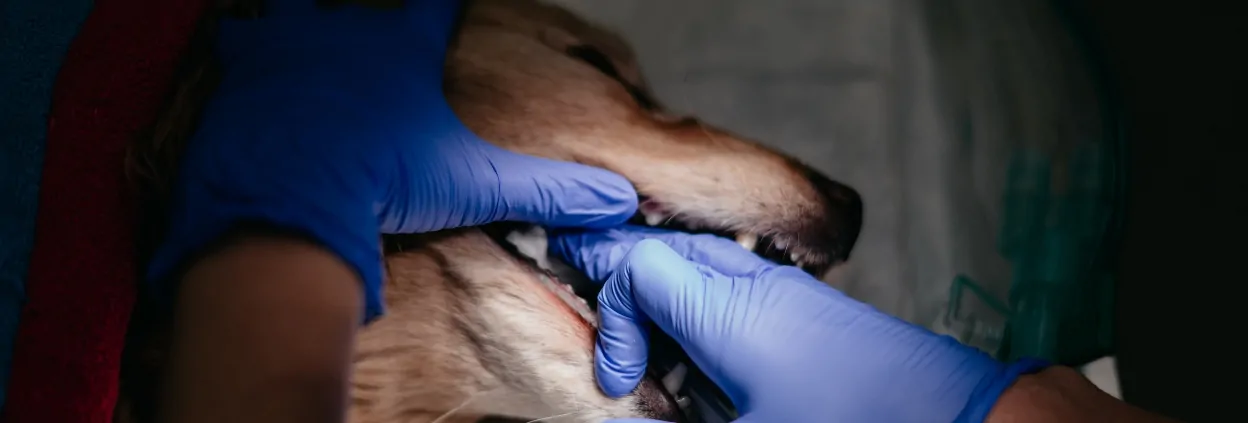
When Are Extractions Necessary?
There are many situations in which a veterinary dental specialist may recommend tooth extraction. Some of these include:
- Persistent Deciduous (Baby) Teeth
The most common cause is improper eruption of the permanent tooth, which doesn’t exert enough pressure on the root of the baby tooth to resorb it. This is common in small breeds, and it is advisable to extract baby teeth as soon as it’s clear that both deciduous and permanent teeth are coexisting. This helps avoid future problems.
- Fractured Baby Teeth
Deciduous teeth are more prone to fractures. These fractures are usually quite painful and may lead to infections in the baby tooth, which can then affect the permanent tooth.
- Malocclusions
There are various types of malocclusions that not only affect a dog’s appearance but also interfere with their bite, chewing ability, and may cause abnormal wear or tooth fractures. In some cases, selective extraction of affected teeth is recommended.
- Dental Fractures
Depending on the type of fracture, extraction may be the best treatment. For example, root fractures or those exposing the dental pulp and resulting in significant crown loss are usually candidates for extraction.
- Periodontitis
Advanced stages of periodontal disease are irreversible, and in most cases, tooth extraction is the treatment of choice.
Treatment and Aftercare
As mentioned, tooth extraction is a routine practice in veterinary dentistry. However, it is still a surgical procedure and must be approached with care to avoid complications.
Before the procedure, a thorough examination and pre-operative dental X-rays are required to assess the condition of the mouth and plan the best course of treatment.
Depending on the animal's health, the most appropriate pain management plan will be chosen both before and after surgery. Post-operative care typically includes pain medication, oral antiseptic cleaning, and a soft food diet.
At IVeM, we believe prevention is the best treatment. That’s why we recommend daily oral hygiene and an annual visit to a veterinary dental specialist to detect oral diseases early and prevent future complications.

