Dental trauma is more common in dogs than we usually imagine. A bad jump, a fall during play, a hit with a hard object, or even a fight with another animal can cause significant damage to their teeth—especially the canines, which are more exposed.
In many cases, the fracture doesn’t just affect the visible part of the tooth, but can also expose the pulp canal, a very sensitive area containing nerves and blood vessels. This exposure, aside from being extremely painful for the animal, can become a direct pathway for infections, putting not only the tooth but the overall health of the patient at risk.
Today we’re sharing the case of Multik, an almost 3-year-old pup who came to IVeM after suffering trauma to his upper left canine. Thanks to a quick diagnosis and a conservative treatment approach, we were able to save his tooth and restore his smile.
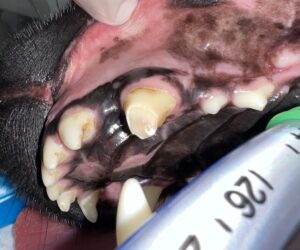
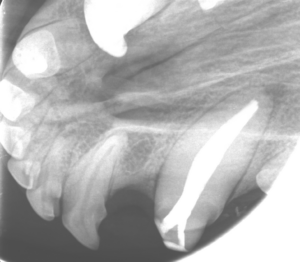
What Treatment Did We Perform?
Thanks to prompt action and the trust placed in our team, we opted for a conservative treatment to save Multik’s canine tooth.
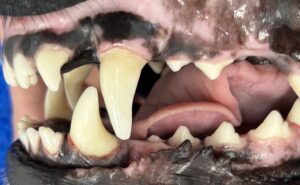
First, we performed a complete pulpectomy (root canal therapy) to remove all the pulp tissue, carefully cleaning the canal. Then, we took digital impressions of the tooth to design a custom solution. Finally, we fabricated and placed a zirconia crown—a highly durable, biocompatible, and aesthetic material. This way, Multik not only regained full functionality of the tooth, but also kept his beautiful smile intact.
What Should We Keep in Mind in Case of a Tooth Fracture?
Dental trauma in dogs isn’t always easy to detect. Here are some important tips:
Multik is now fully recovered and can continue enjoying his active life—playing and chewing like normal. Cases like his remind us of the importance of veterinary dentistry for our pets’ well-being.
Do you have questions about your pet’s dental health? Don’t hesitate to contact us!

